Adam Smith on the value of water

The word value, it is to be observed, has two different meanings, and sometimes expresses the utility of some particular object, and sometimes the power of purchasing other goods which the possession of that object conveys. The one may be called value in use; the other, value in exchange. The things which have the greatest value in use have frequently little or no value in exchange; and, on the contrary, those which have the greatest value in exchange have frequently little or no value in use. Nothing is more useful than water; but it will purchase scarce anything; scarce anything can be had in exchange for it. A diamond, on the contrary, has scarce any value in use; but a very great quantity of other goods may frequently be had in exchange for it.

Adam Smith, Wealth of Nations

Central Arizona ag’s decline continues, but Pinal County is up

In the wake of Arizona’s difficulties in coming to terms with the future of central Arizona agriculture as it sorted out its approach to reducing Colorado River water use under the Drought Contingency Plan, the latest Census of Agriculture data is fascinating.

Irrigated agriculture in the Central Arizona Project counties

The decline continues, but only just barely. The data within this data, broken out by county, is fascinating:

Central Arizona irrigated acreage, by county

Pinal County agriculture, with receives heavily subsidized irrigation water via the Central Arizona Project, has actually been expanding since the 1980s, according to the Census of Agriculture.

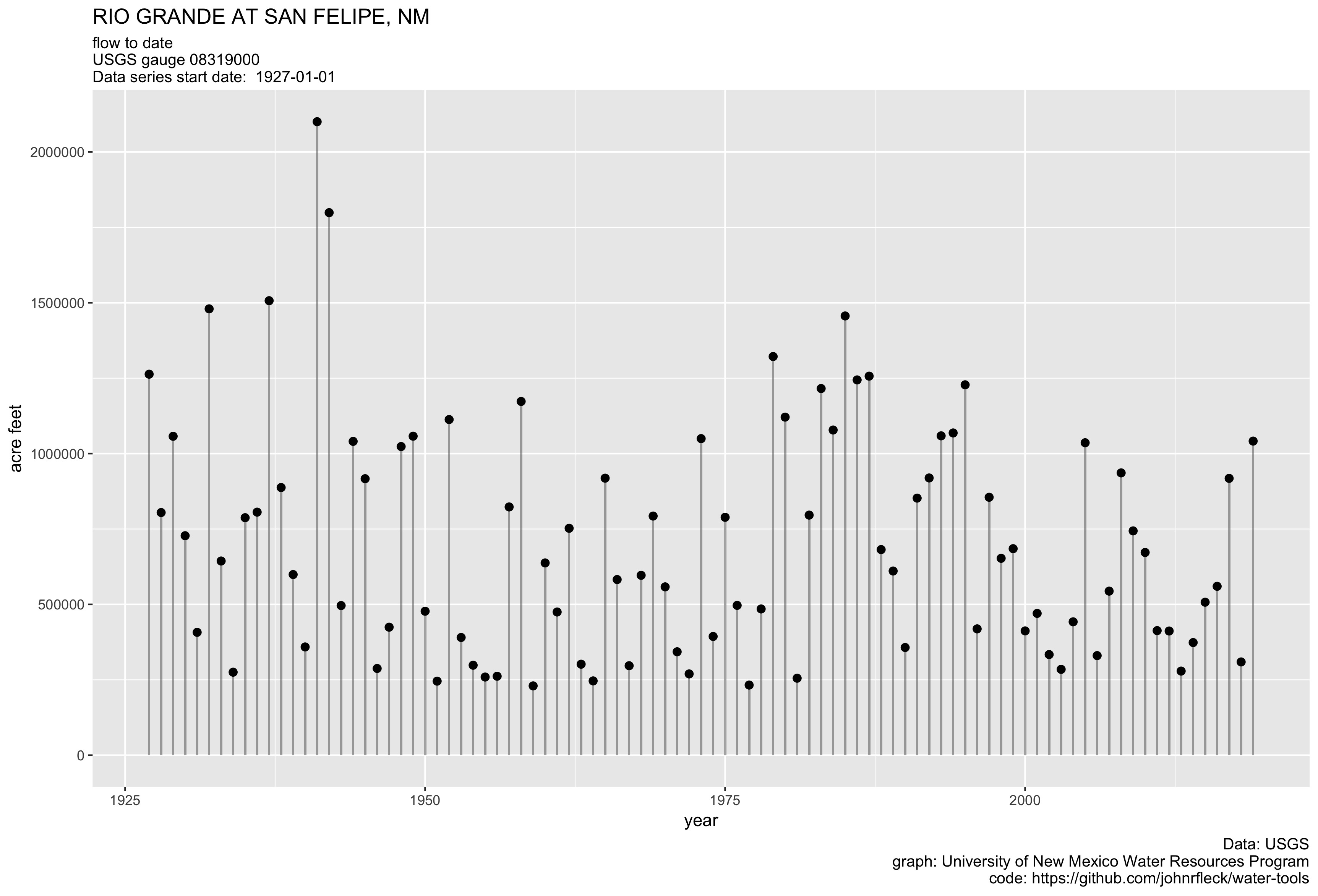
New Mexico’s Rio Grande, rising

My co-author Eric Kuhn was in town over the weekend to finish up the copy edits for our upcoming book Science be Dammed, and happily we were not so busy that we didn’t have a chance to get in a couple of bike rides. (In our collaboration these last few years, “Are you going to bring a bike?” or “Should I bring a helmet?” have played an valuable role.)

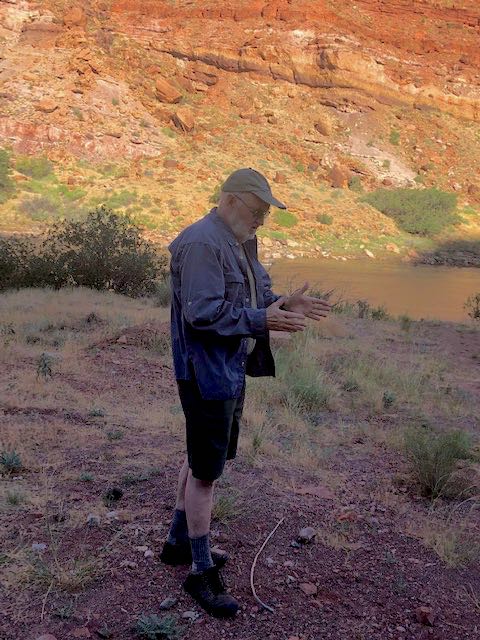
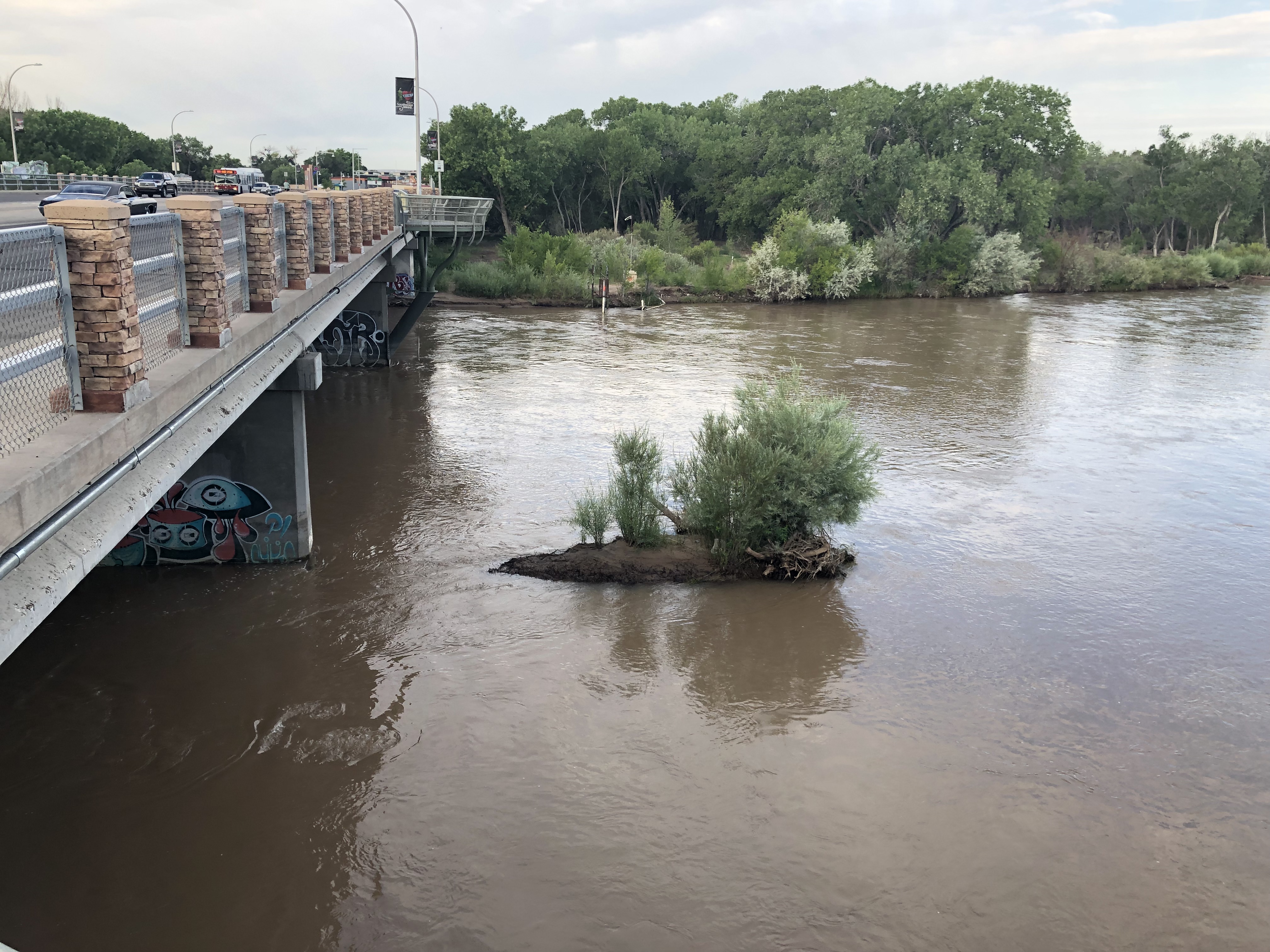
Eric Kuhn at the Rio Grande, Albuquerque, New Mexico, April 2019

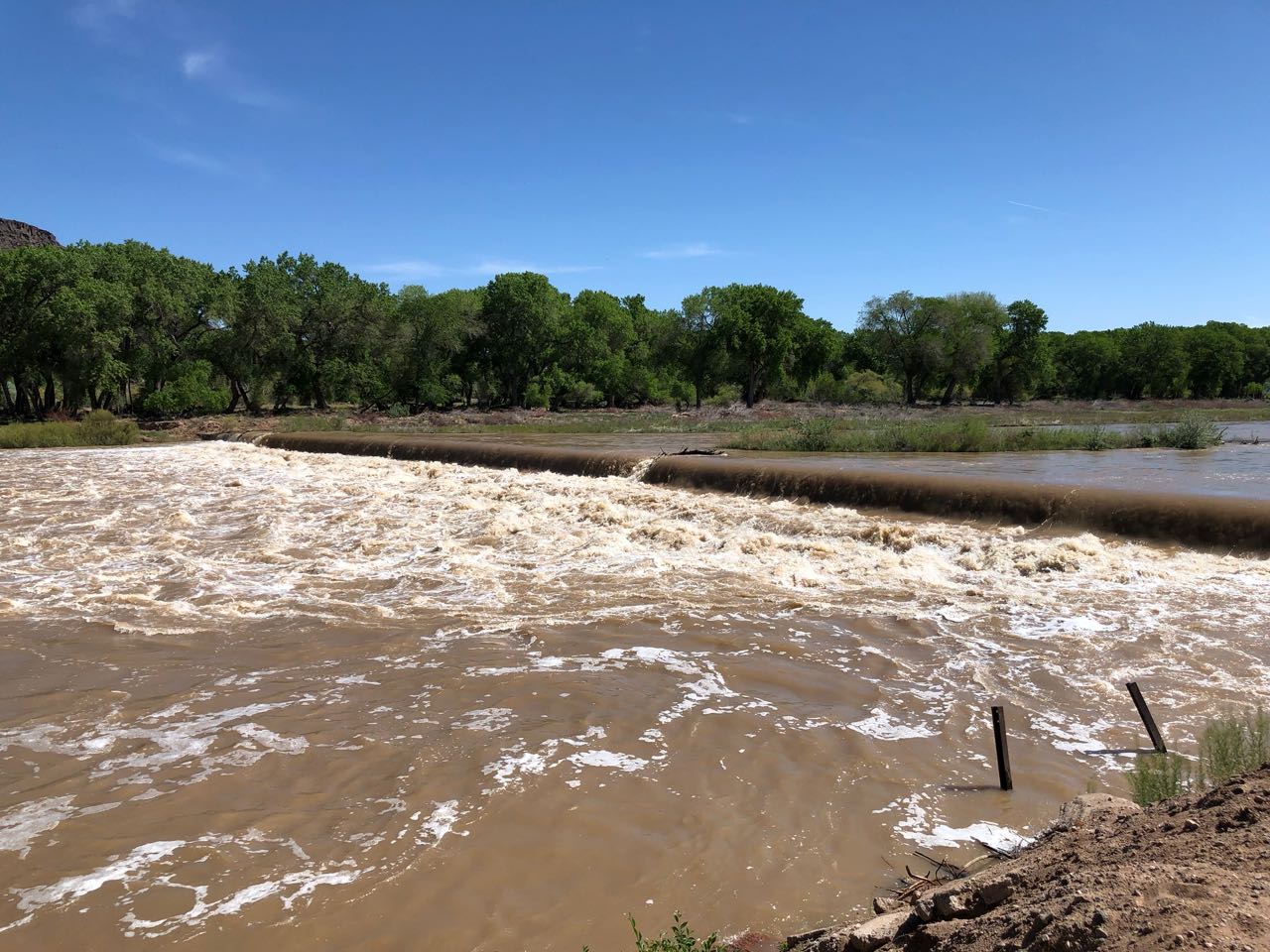
We got rides out to Albuquerque’s Rio Grande both Saturday and Sunday, and with the river rising in response to our big snowmelt, we started to see some “overbanking” in channels build by environmental engineers to mimic the old flood plain flows this valley used to see.

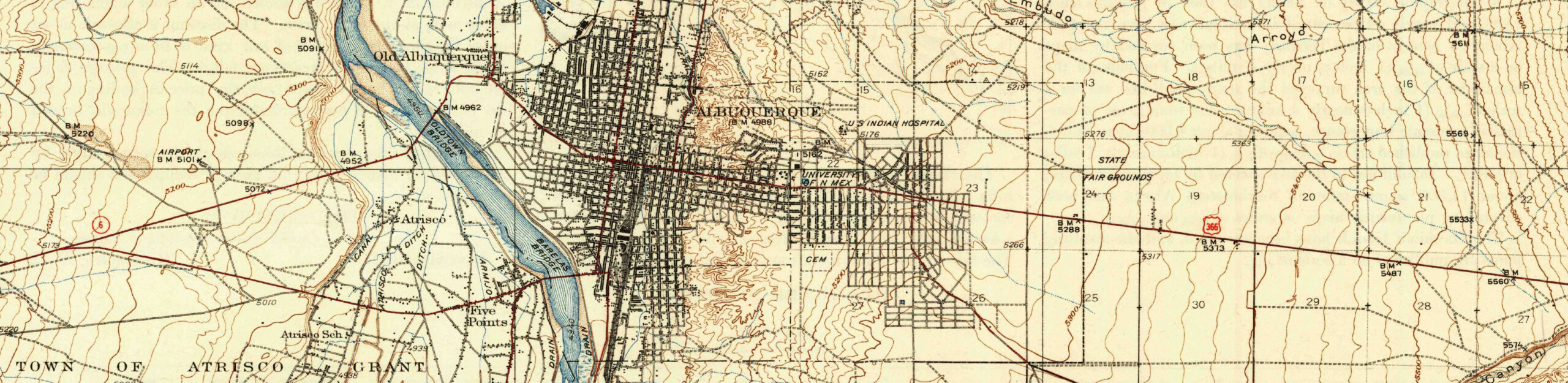
I am obsessed, and have been getting out lately nearly ever day (one has to ride one’s bike somewhere, right?) to see the river rise. Here, for those in Albuquerque who want to enjoy the obsession along with me, is a map to a couple of my favorite spots right now:


Both are easily accessible via the city open space trail that starts at the parking and picnic area on the north/east side of the river just upstream from the Central Avenue Bridge.

Water, seeping through language

Deep in the copy edits for our new book, Eric and I have stumbled into this minor obstacle:


It’s a fascinating reminder of the way the words of water are everywhere, carrying their separate linguistic cargo. And, thanks to the modern technology of search-and-replace, it is a problem easily solved.

Morning bike ride – *totally* work related

Rio Grande overbanking, Albuquerque, April 11, 2018

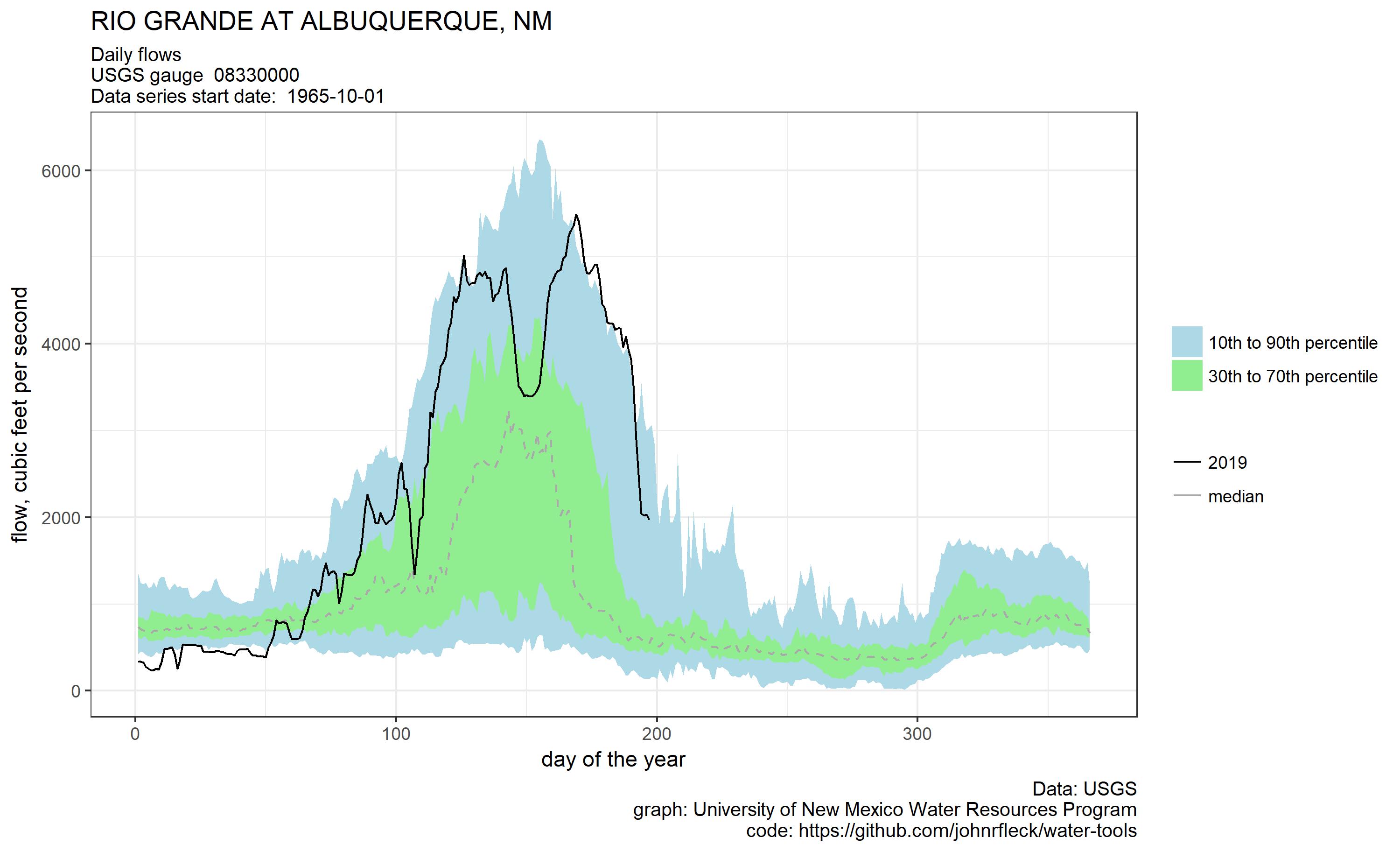
My “job”, as director of the University of New Mexico Water Resources Program, requires me to pay close attention to New Mexico’s water. So of course when I saw this morning that the Rio Grande’s flow through Albuquerque had topped 2,500 cubic feet per second, I had to conduct “field work”. Anything above 2,300 cfs right now and the water begins spilling through engineered cuts like this in the river’s bank into backwaters created to simulate natural “overbanking”. This spot just happens to only be accessible via a bike trail, so I simply had no choice but to go on a bike ride.

Best part – the cormorant, fishing where the ag outflow enters the river:

Cormorant fishing at a Middle Rio Grande ag water outfall, Albuquerque, NM, April 11, 2018

The Ciénega de Santa Clara and the question of “waste”

It’s important to be clear of what we mean by “waste” when we talk about “wasting” water. Because it’s always going someplace, and doing something.

In Albuquerque, for example, we talk about reusing effluent from our sewage treatment plant. But we currently treat that water and put it back in the Rio Grande, where it supports riparian habitat and downstream water users. To them, it’s not being “wasted”.

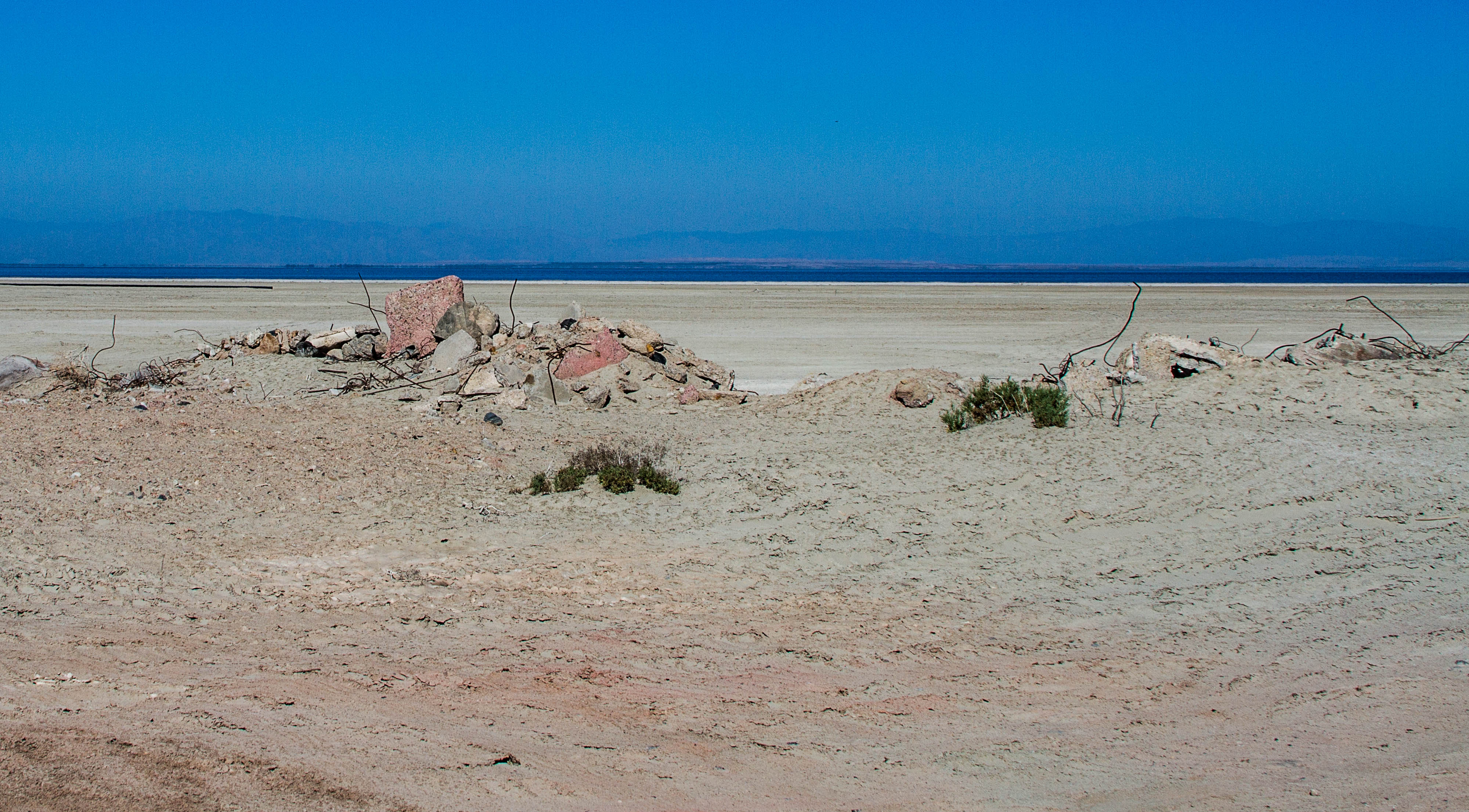
Luke Runyon at radio station KUNC in Colorado did a great piece on the Ciénega de Santa Clara, in the Colorado River’s former delta, that illustrates the point. “Waste” water from agricultural practices in the United States was for decades diverted through a canal onto the mudflats where the Colorado River used to meet the Sea of Cortez. There, a fabulous wetland emerged, some of the best habitat of its sort remaining in the desiccated region.

But with pressure to stop “wasting” that water, the Ciénega is in perpetual peril:

As the Colorado River basin heats up and dries out like climate projections predict, Butrón-Méndez is concerned people will stop thinking of the water that flows to the wetland as waste, find a way to use it and, in turn, harm the Ciénega.


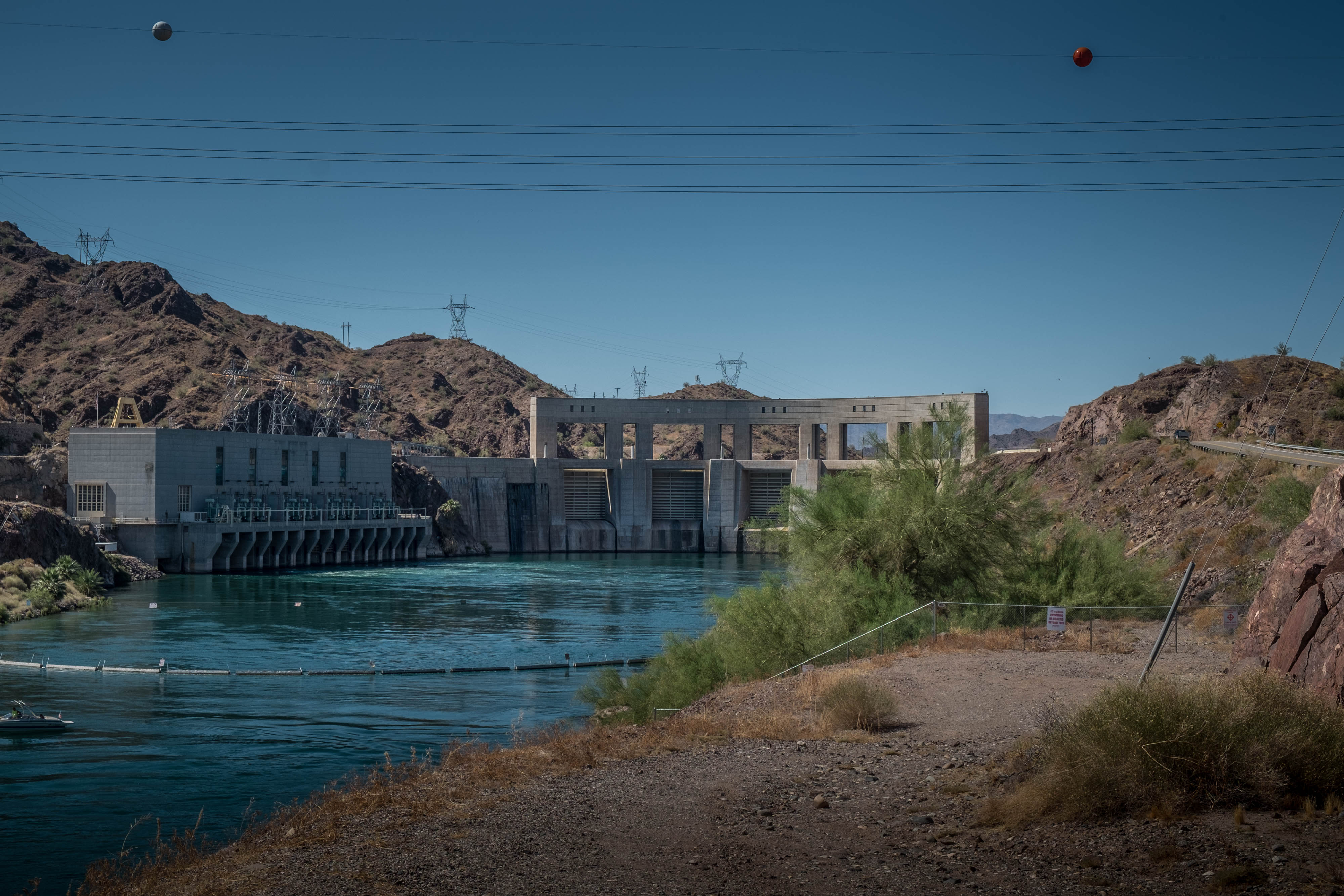
Is San Diego reviving the idea of building its own Colorado River Aqueduct?

A cryptic item in the agenda for Thursday’s meeting of the San Diego Water Authority Board suggests the agency may still harbor an interest in having its own canal to the Colorado River, separate from the current system through which it gets its Colorado River water from the Metropolitan Water District of Southern California.

SCDWA board memo, April 11, 2019

alternative conveyance options

There is history here. In 1934, San Diego signed its own contract with the federal government for Colorado River water. (The episode merits a footnoted digression in our new book, though the episode is an obscure enough piece of Colorado River history that I had to call my co-author, Eric Kuhn, who wrote the footnote, to refresh my memory. No episode is so obscure that it slips Eric’s memory.)

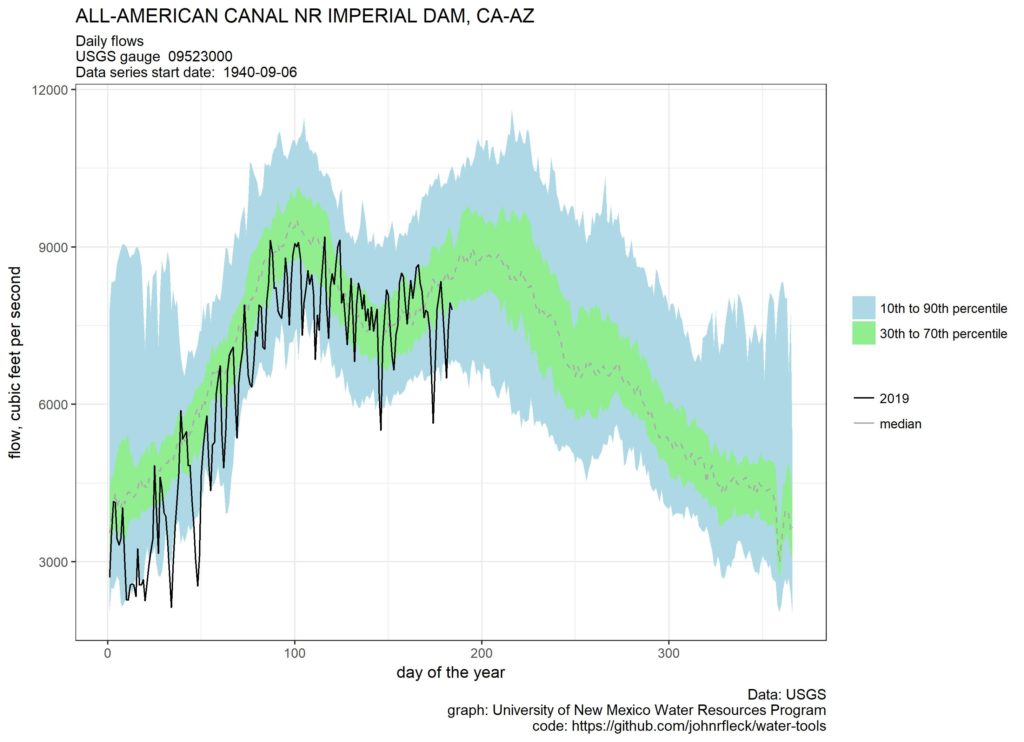
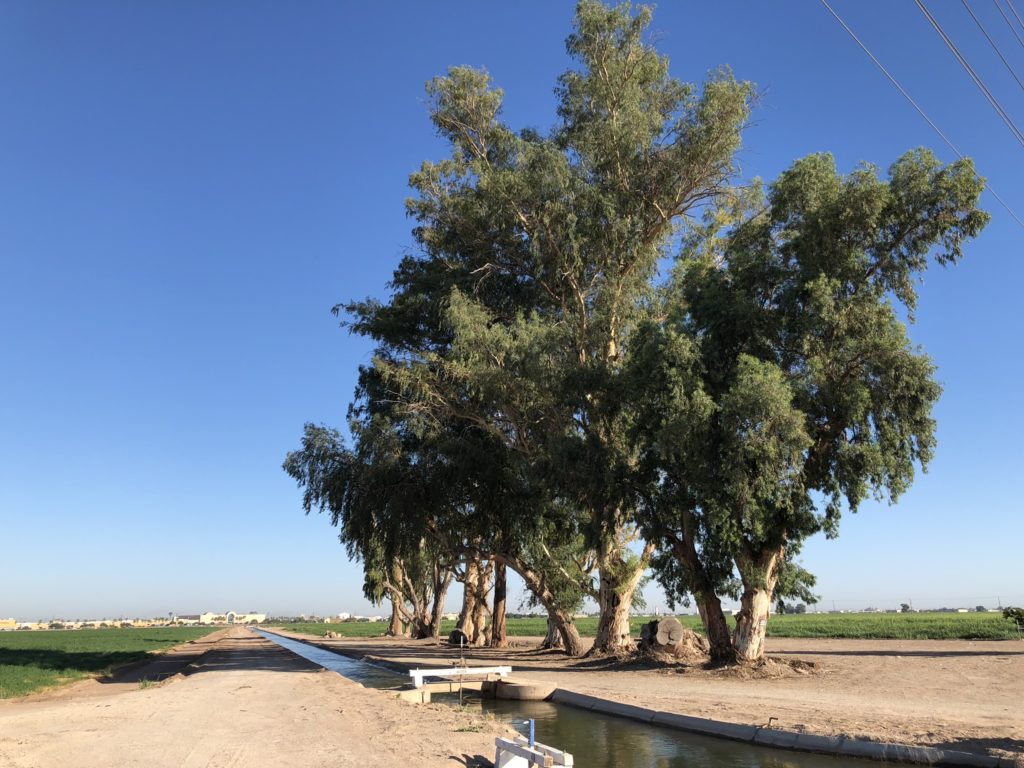
The original plan was for a “San Diego aqueduct”, an extension of the All-American Canal, which currently carries water to farms in the Imperial Valley. As detailed in the 1948 Hoover Dam Documents, the canal was superseded during the 1940s by the construction of an extension of the MWD system, something deemed a military necessity because of San Diego’s critical role as a Navy base during World War II and, presumably, the Cold War that was revving up thereafter. Contracts were changed, big checks were written by the federal government, and San Diego became tethered to Met’s system from the north, rather than to the All-American Canal to the east.

Over the years there also have been discussions of San Diego connecting via Mexico’s plumbing that currently brings Colorado River water to Tijuana. That also could be, in the language of the SDCWA staff memo, “alternative conveyance”.