Interest in water follows a seasonal cycle
Our interest in “water”, as measured by the frequency with which we type it into Google, follows a seasonal cycle, peaking in July and bottoming out in December:
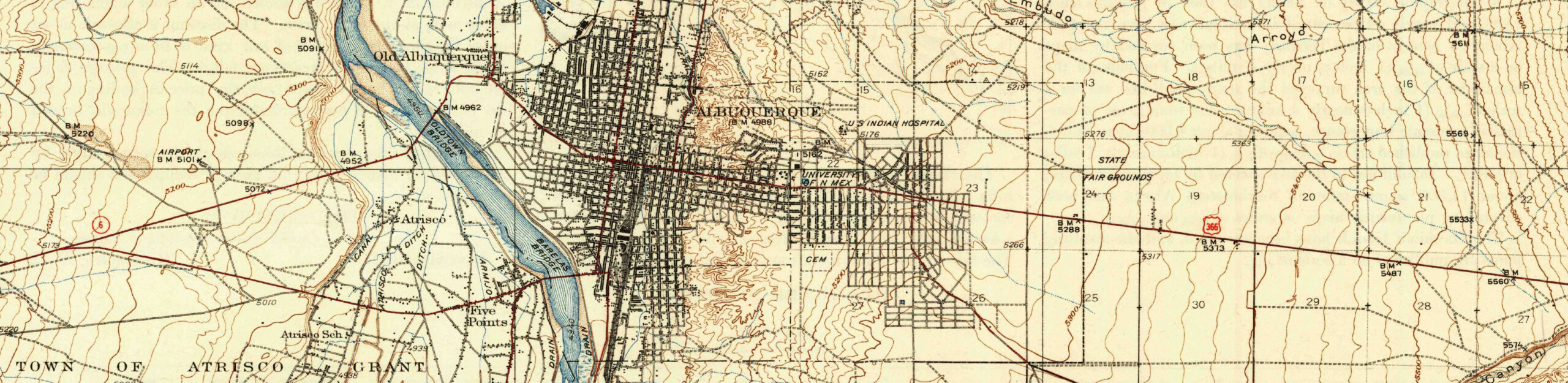
The Albuquerque fairgrounds flea market is the place for hats.
I no longer have to shave, wear work shirts, and eschew the Oxford comma. The first two I expected. The third has been a pleasant surprise.
Article VII of the Rio Grande Compact is one of the keys to allocating the river’s supply among Colorado, New Mexico, and Texas: Neither Colorado nor New Mexico shall increase the amount of water in storage in reservoirs constructed after 1929 whenever there is less than 400,000 acre feet of usable water in project storage…. …
OtPR the other day suggested compensation as drought mitigation: If the goal is drought resilience, we could use money instead of water to keep farm communities intact until a wet year. If it is important that farm workers in Mendota live decent lives during droughts, we don’t have to find non-existent water for their employers’ farms. We …
Continue reading ‘In Brazil’s drought, compensating the poor’ »
This guy’s been ’round the place the last couple of days, I think lookin’ for love. Spring.
My daughter’s got a smart and also hilarious new project involving video games and feminism and goats: Goats are not restricted by human morality. Crashing into a party onto a jetpack and setting oneself and half the guests on fire is not done with malice when it is done by the protagonist-goat of Goat Simulator; …
I’ve long dismissed the “pipeline to the Missouri River” (PTM? “canal from the Missouri”? CFM?) and other similar large-scale water importation schemes as vastly impractical distractions from serious water policy (see for example here and here). The argument, which I get regularly from well-meaning readers, points to the big network of oil and gas pipelines spidering across …
OtPR: The range of public water discourse is very narrow; it is all incremental change from how we do things now.
There’s a particularly important passage in Matt Jenkins’ new piece on former Las Vegas water manager Pat Mulroy’s leadership on Colorado Basin issues (behind paywall for now, subscribe!) where he describes an example of a convoluted deal to bank Nevada water in an Arizona aquifer: It was … the first federally sanctioned deal for a …
Continue reading ‘“intentionally created unused apportionment”: gobbledygook for the greater good’ »