Wickerpedia
From Nora: Wickerpedia. Do a search….
From Nora: Wickerpedia. Do a search….
Wouldn’t you love to live in a place where this is news? The red phalarope, a small bird rarely seen on land in these parts, has been spotted in groups of up to 1,000 from Pescadero to Moss Beach. There were also reports of the birds making it as far from the coast as Millbrae …
David Fields of the Monterey Bay Aquarium Research Institute has a paper in tomorrow’s Science (press release here) suggesting an interesting anthropogenic warming fingerprint: plankton in varves on the ocean floor. Both warm- and cold-water forams can be found, and the relative abundances of the various types works as a climate proxy. Fields sees the …
book: J. Madeleine Nash’s El Niño: Unlocking the Secrets of the Master Weather-Maker. It’s been sitting unread on my shelf since it came out three years ago. It’s good so far, by which I mean she’s a) found a good line to follow through the story, and b) told me things I didn’t already know. …
Of no great climate wars import, just a fun story about the people who collect the data: DOE Climate Study Spans the Planet This is climate science at its most basic— understanding how energy moves through the atmosphere, making the warm spots warm, the cold spots cold, some places wet and some places dry.
Peter Gleick’s year-ender includes a discussion of one of my favorite topics: the misrepresentation of “consensus science”: One such doughnut hole is what climate change skeptics call “consensus science.” They argue that just because the vast majority of serious climate scientists believe in the greenhouse effect – that humans are causing the earth’s climate to …
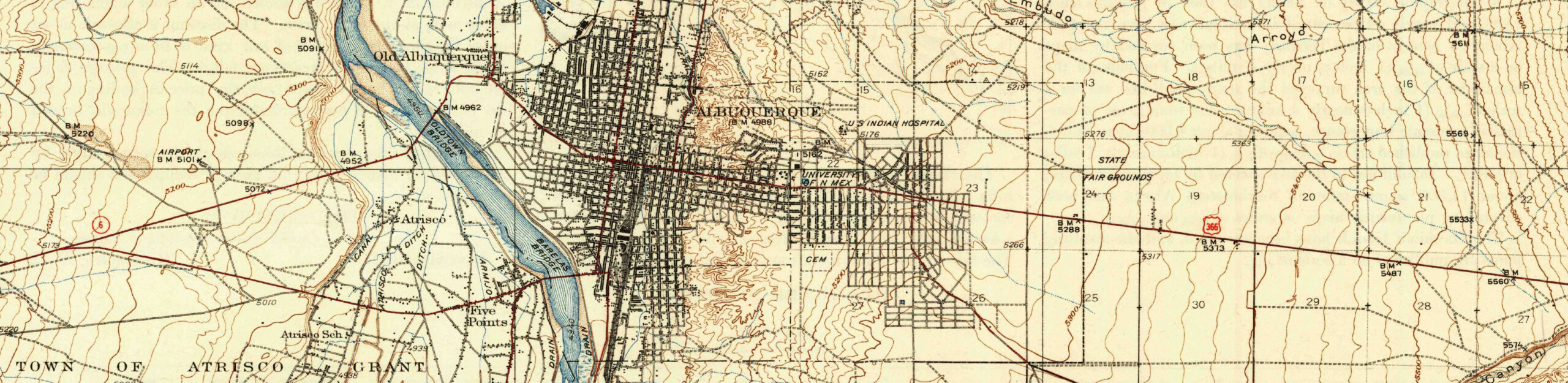
Last Link in the Chain: Dam Will Help Wean ABQ From Its Dependence On Aquifer Water. But you really ought to check it out in the paper copy of the newspaper if you have a chance, for maximum benefit of Carol Cooperrider’s lovely graphic explaining how the city’s new Alameda dam works, and for Jim …
Various ways to die.
The problem with climate change is change. It’s a simple thing, really, but it’s a point sometimes missed. It’s not that it gets warmer or colder or wetter or drier. It’s that it gets different, and the societal systems we’ve put in place to cope with what used to be “normal” become less useful. A …
Over lunch today, Nora and I were trying to solve the world’s problems, and the conversation drifted to feed conversion ratios – how much food you have to feed to a chicken, pig or cow relative to the amount of food you get out as a result. If you’re going to eat meat, chicken seems …