My career as an energy economics journalist in two figures

But the peak will inevitably come, perhaps later this decade, perhaps now. The signs Gerth wrote about Feb. 24 may be the first signal that it is starting. “We simply don’t know,” Goodstein said. This is a problem New Mexico oil and gas producers have thought about a lot. Here, production peaked in 1969 and …

Continue reading ‘My career as an energy economics journalist in two figures’ »

Do we linger less?

Research comparing pedestrian behavior in Bryant Park and outside the Met, 1979-1980 versus 2008-2010: The biggest change in behavior was that lingering fell dramatically. The amount of time spent just hanging out dropped by about half across the measured locations. I personally am a fan of “lingering” and “just hanging out.” Via Tyler Cowen

The alley behind Aldo Leopold’s house

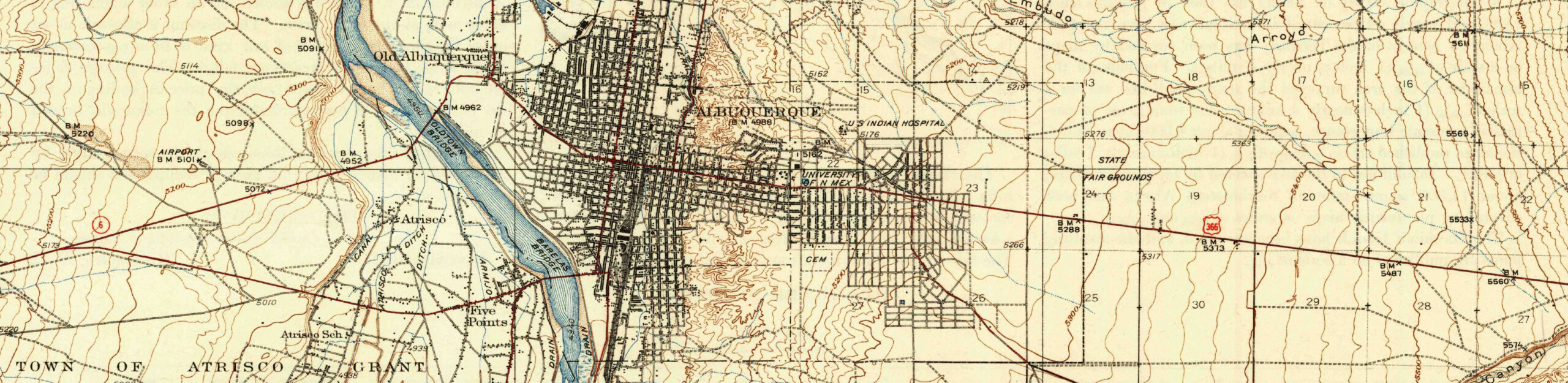
There’s an alley off Albuquerque’s Central Avenue, old Route 66, between the Southwest Capital Bank and St. John’s Thrift Store. You can’t go down the alley on Google Street View. Google Street View mostly doesn’t go down alleys. Alleys mostly don’t have names. You have to go there for yourself. Down past the “Drug Free …

Continue reading ‘The alley behind Aldo Leopold’s house’ »

Retiring coal plants as a Colorado River Basin demand management strategy

OK, “strategy” is not exactly the right word here, but we take our water conservation where we can find it, eh? Luke Runyon took a nice dive into the water supply implications of the West’s wave of coal plant retirements. Because coal plants use water. Here’s my coauthor Eric Kuhn on the implications: “As a …

Continue reading ‘Retiring coal plants as a Colorado River Basin demand management strategy’ »

Water is different than other industrial raw materials, but how, and why?

NPR’s Dan Charles had a nice piece on California’s drought this week digging down a layer into how farmers are actually responding to California’s drought. They are: Fallowing fields of annual crops like corn to ensure they have enough water for their permanent crops, like almonds. Sarah Woolf takes me on a tour of her …

Continue reading ‘Water is different than other industrial raw materials, but how, and why?’ »

my education in economics: an anti-Jevons anecdote

The Jevons Paradox would suggest that our new solar panels would give me an easy comfort about using more electricity. And yet, ever since we gathered two weeks ago with the installers and the electric company guy in the ritual of turning them on and watching the meter run backward, I have been obsessed with …

Continue reading ‘my education in economics: an anti-Jevons anecdote’ »