The Bureau of Reclamation’s study of supply and demand in the Colorado River Basin is due out tomorrow, and already it’s been getting a lot of attention. Bruce Finley at the Denver Post and Felicity Barringer at the New York Times have both highlighted the study’s consideration of the “pipeline to the Missouri” option, one of a host of water augmentation possibilities submitted by stakeholders and the public which has gotten some analysis over the course of the two year study.
The PTM option has some legs, because people in the non-water world can grasp it. But it’s an unfortunate framing for the release of this very important study, a piece of the puzzle that rightly ought to be confined to fine print along with towing icebergs down from the north (another idea that gets its due).
Most of the study’s findings are already public – the Bureau’s been releasing them steadily in a series of data dumps over the last year. What they show is a growing gap between supply and demand in the basin (with some legitimate argument over whether the Bureau let the states use pre-housing crash trajectories to high-ball their growth projections, making the gap look larger than it should). At whatever size it is, though, the study also shows that various types of “magic water” (icebergs! PTM!) can’t fix this problem. If you read carefully, it’s there in Barringer’s story:
It is unclear how much such a pipeline project would cost, though estimates run into the billions of dollars. That does not include the cost of the new electric power that would be needed (along with the construction of new generating capacity) to pump the water uphill from Leavenworth, Kan., to the front range reservoirs serving Denver, about a mile above sea level, according to Sharlene Leurig, an expert on water-project financing at Ceres, a nonprofit group based in Boston that works with investors to promote sustainability….
Ms. Leurig noted that local taxpayers and utility customers would be shouldering most of the expense of such a venture through their tax and water bills, which would make conservation a more palatable alternative.
What it shows, if I may be so humble as to generalize, is that the basin’s water users need to learn to live within their means. I’m confident they can, even if they’d rather just have the feds build them another pipe.
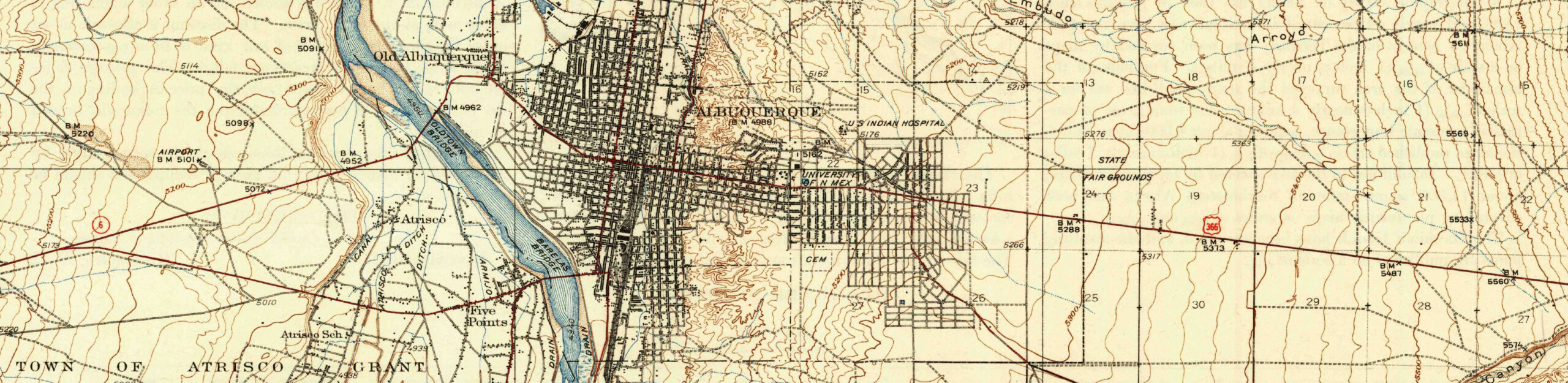
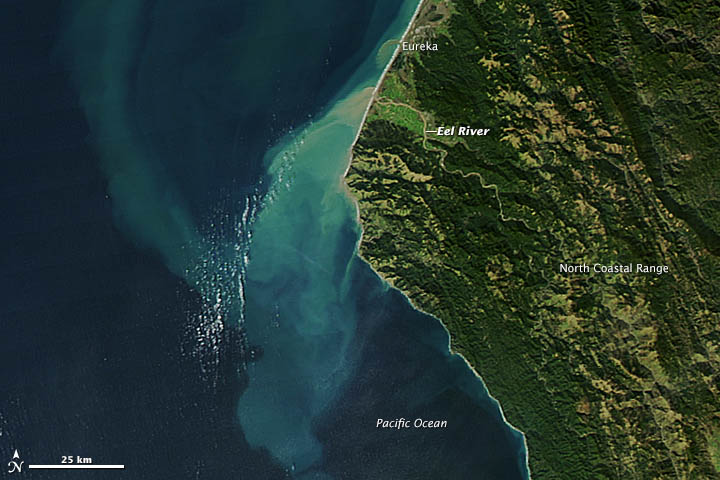
 hammered home for me is water’s importance in providing transportation routes. Here in the western United States, it’s not something I’ve had to think of too much (see