We Loves Our Natural Gas
Preliminary 2007 US greenhouse emission numbers are out:
Preliminary 2007 US greenhouse emission numbers are out:
This morning at work, I threw out an idle question on the newspaper web site about how rising gas prices are affecting people. The response was rich and thoughtful.
Simon Donner today answered a bunch of questions I had about US food production numbers: [T]he extra corn for ethanol has to be planted on productive croplands, lands with the right soils, and most of that land is being used. In 2007, soybean planting – the other major feed crop grown in the midwest US …
Food prices popped back up a bit over the last week, according to the Economist, but have remained relatively stable for the last month. Down 1.7 percent over the last month, up 58.7 percent over the last year. West Texas Intermediate is up 99.8 percent over the last year (that would be “double”), and gold, …
When we talk about energy independence here in the United States, there’s a sort of tribal subtext. We don’t want to be dependent on them for our critical energy needs. Listening to a Platts’ podcast today about pipeline production south from Canada made me wonder whether them in our collective mind includes Canada. I don’t …
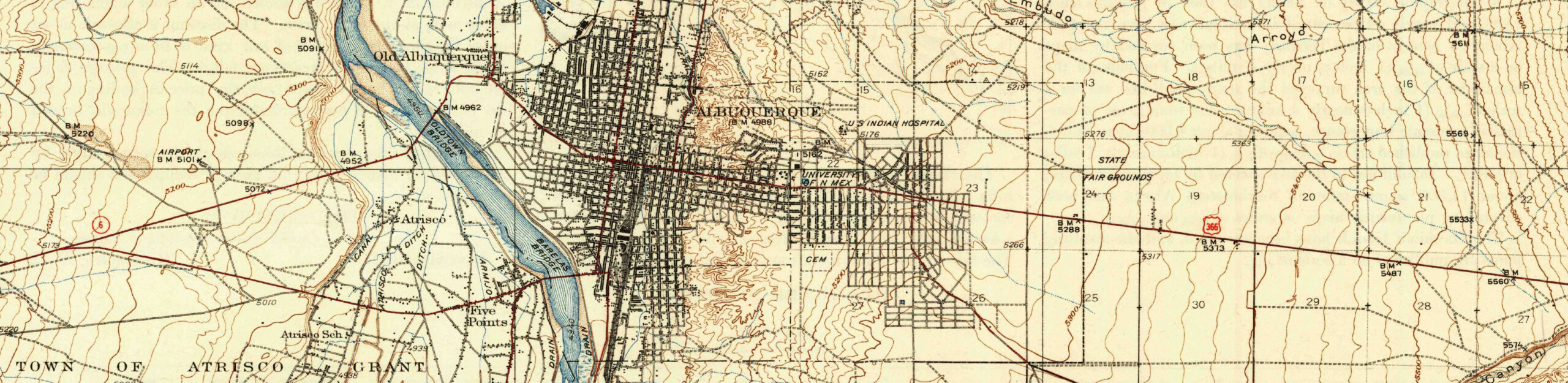
Stuff I wrote elsewhere: Diane Albert’s view of the city is different than the one you might get trapped inside a glass-and-steel cage on your morning commute. Out along the Rio Grande bicycle trail on her morning commute, she sees the coming and going of ducks, the cottonwoods changing from green in spring to gold …
The Energy Information Administration’s This Week in Petroleum out today opens with a fascinating discussion of the decline in use of home heating oil in the United States. And, oh, yes, by the way… The U.S. average retail price for regular gasoline jumped to yet another all-time high as the price increased by 10.9 cents …
Environmental economist John Whitehead explains why he won’t sign the economists’ petition arguing for a 100 percent auction of carbon emission credits, rather than giving some of them away for free: Why won’t I sign? I agree with everything in the statement except for the 100% part. 100% auctions seems like a guarantee that some …
Well here’s some good news: China’s strongest earthquake in 58 years may reduce the nation’s energy demand as damaged power plants and transmission lines force companies to idle some generators. The down side, though, according to Bloomberg’s Rob Delaney, is the quake’s possible contribution to food inflation. Oh, yeah. And all the dead people. That’s …
A couple of pieces worth reading in the morning paper by my colleagues on subjects of personal interest: Mike Coleman on the political realities underlying the energy grandstanding coming out of Washington Susan Stiger on the virtues of growing and eating locally